Expanded polystyrene free packaging sticker highlighting Brother’s commitment to sustainable, recyclable packaging.

EPS & EPE-Free Packaging

Brother is reducing the use of expanded polystyrene (EPS) and expanded polyethylene (EPE), materials that are difficult to recycle. These materials are being replaced with recyclable cardboard and moulded pulp, helping reduce packaging waste while maintaining product protection.

This packaging approach is being introduced across a growing range of Brother products, including printers, scanners, label printers, consumables such as printer cartridges, and sewing and craft machines.

Look for the EPS/EPE-Free badge on selected new Brother products supplied to New Zealand.
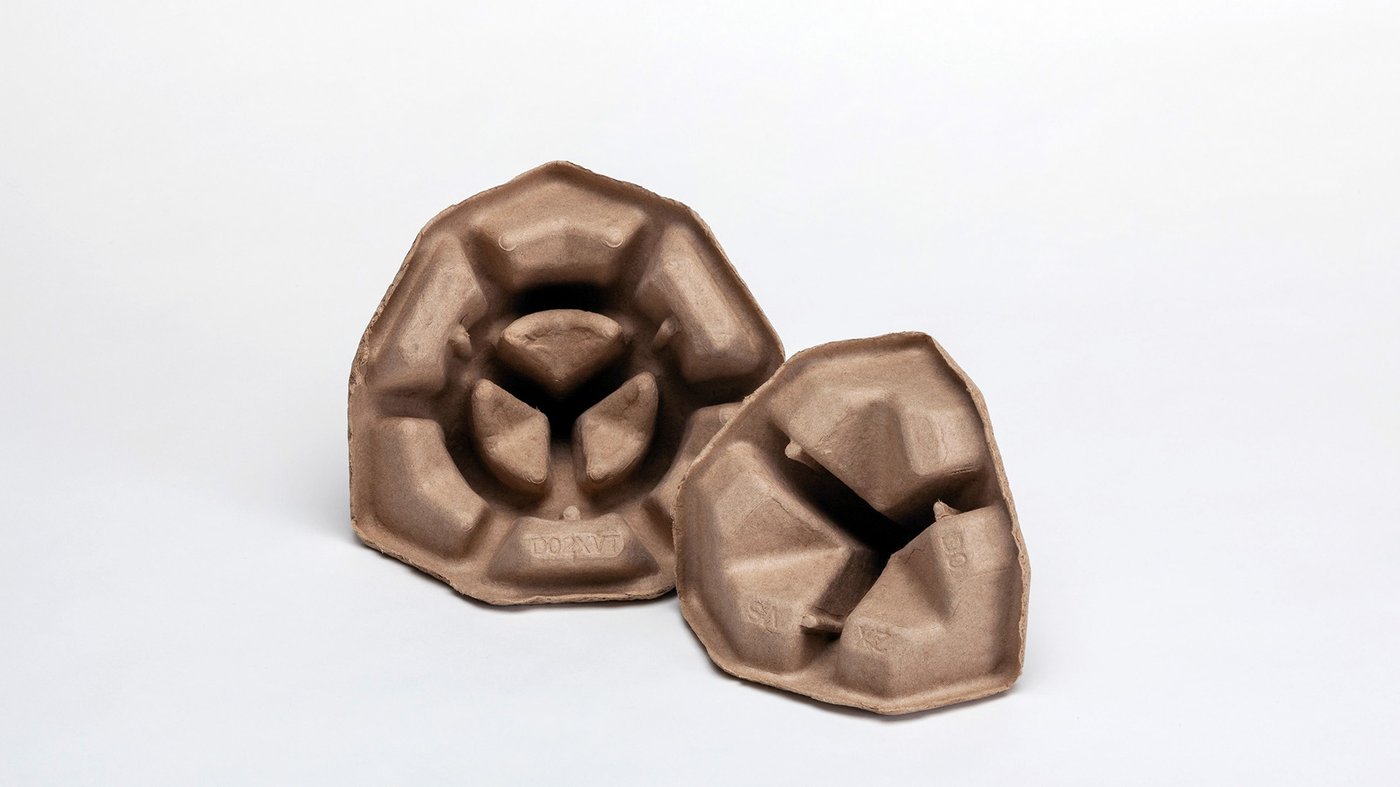
Better packaging, designed to perform

Moulded fibre packaging inserts replacing plastic and polystyrene as part of Brother’s EPS-free packaging initiative.

Plastic-free cushioning

Brother is replacing EPS and EPE packaging materials with moulded pulp and cardboard to reduce plastics that are difficult to recycle.
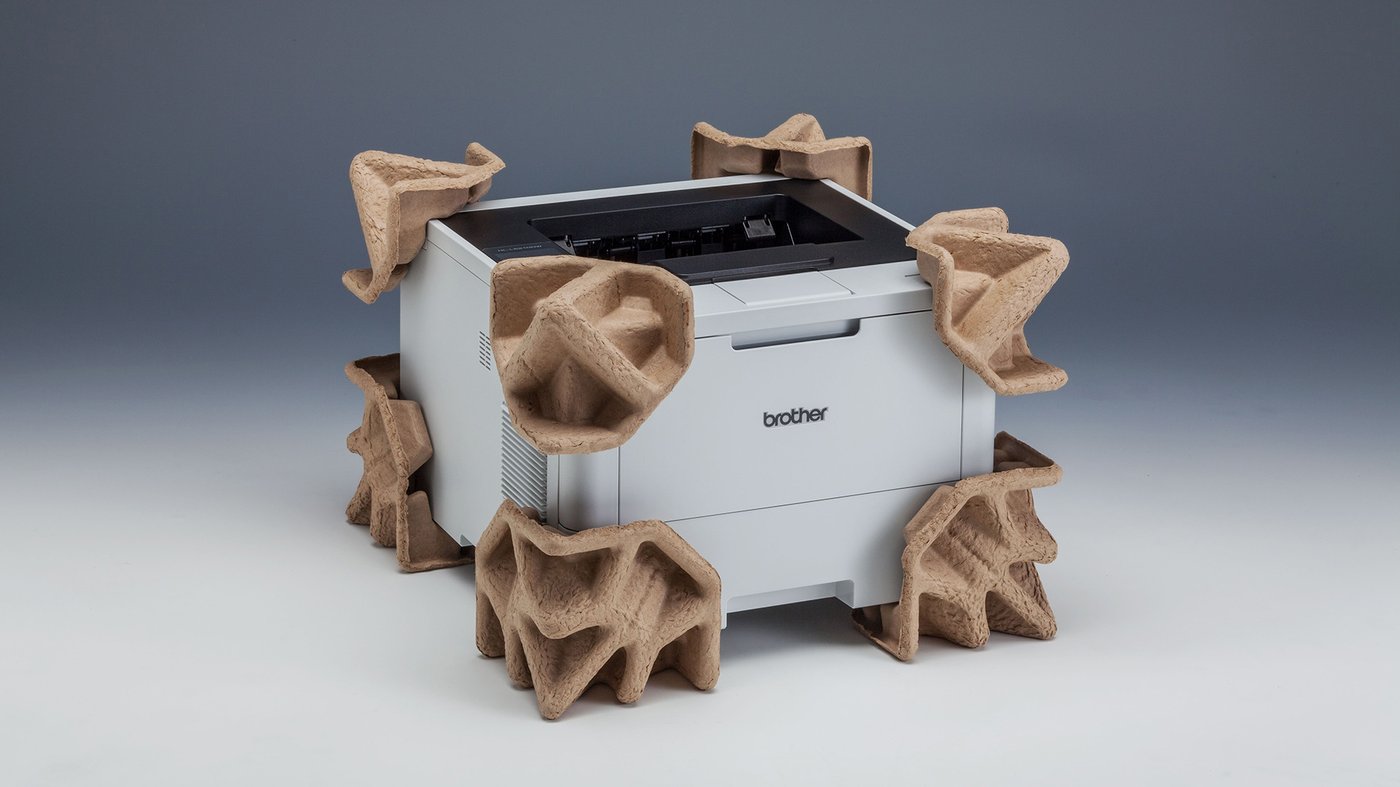
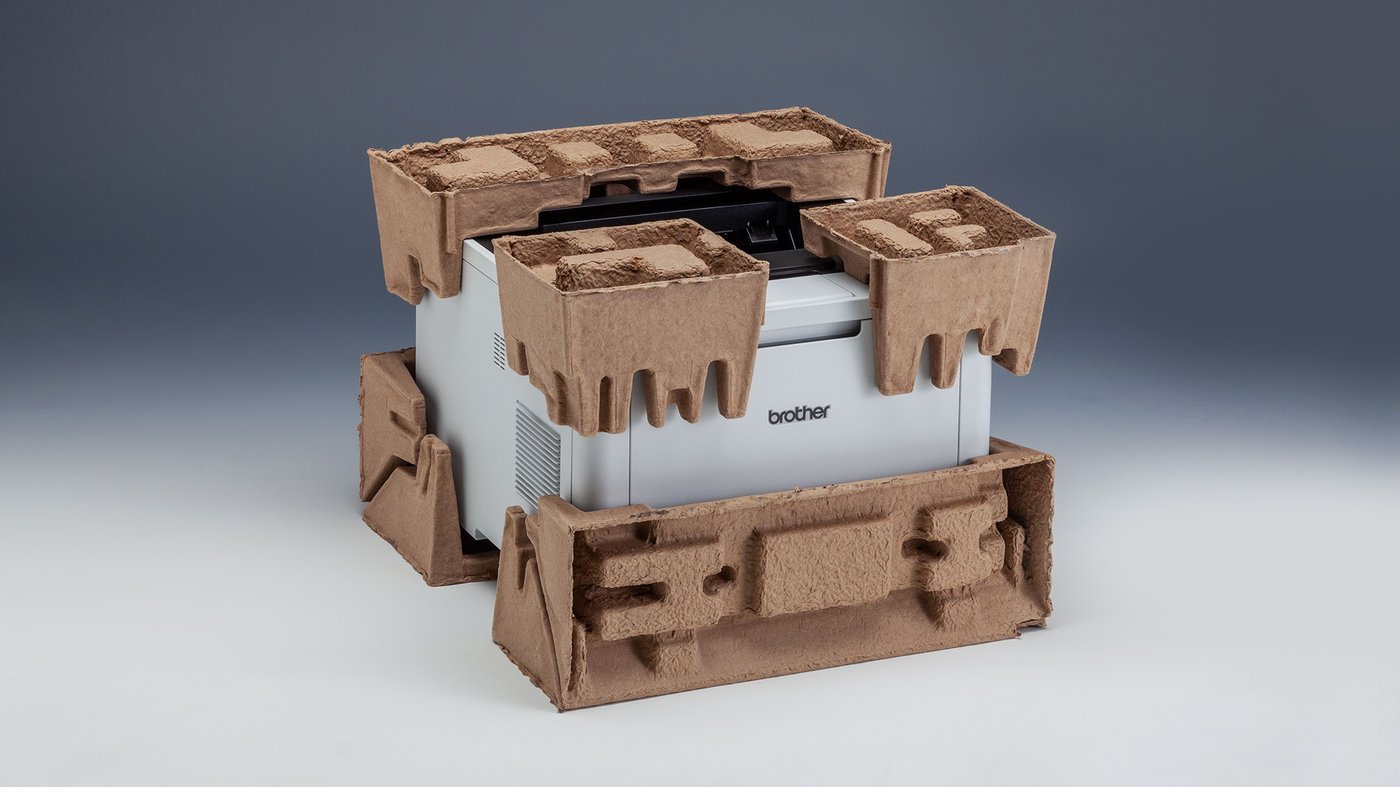
EPS-free moulded fibre packaging designed by Brother to minimise materials while protecting printers.

Compact and durable

The replacement pulp and cardboard packaging is designed to protect products during transport while using less material and space.
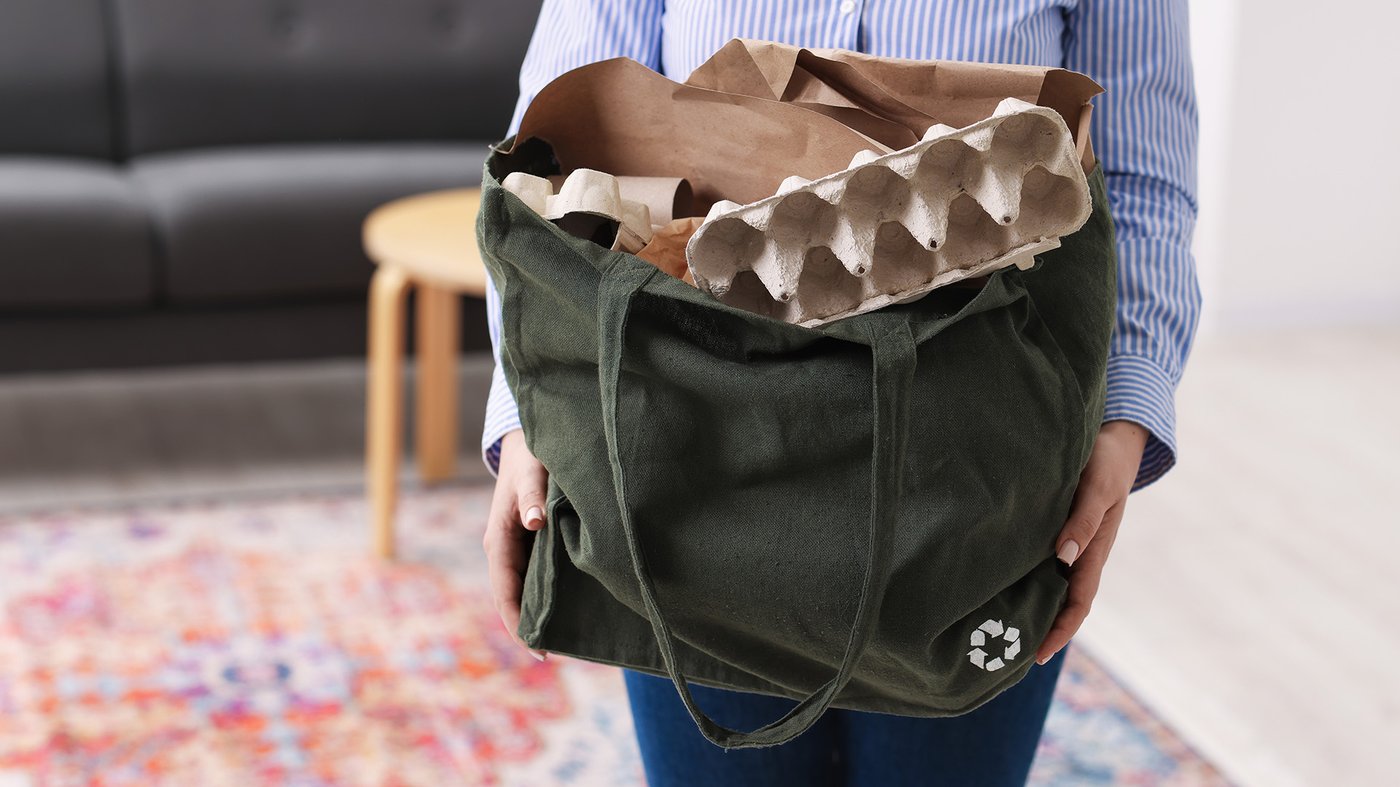
Reusable bag holding recyclable paper and moulded fibre packaging, supporting Brother’s EPS-free and sustainable packaging approach.

Improved recyclability

The replacement cardboard and moulded pulp packaging is 100% recyclable, making it easier to be recycled responsibily.

Designed to protect products in transit

Packaging must perform in real-world transport conditions. Brother designs packaging to withstand vibration, movement, and impact, ensuring products arrive safely even as materials and box sizes are reduced.

This performance-first approach allows Brother to improve sustainability without compromising protection.

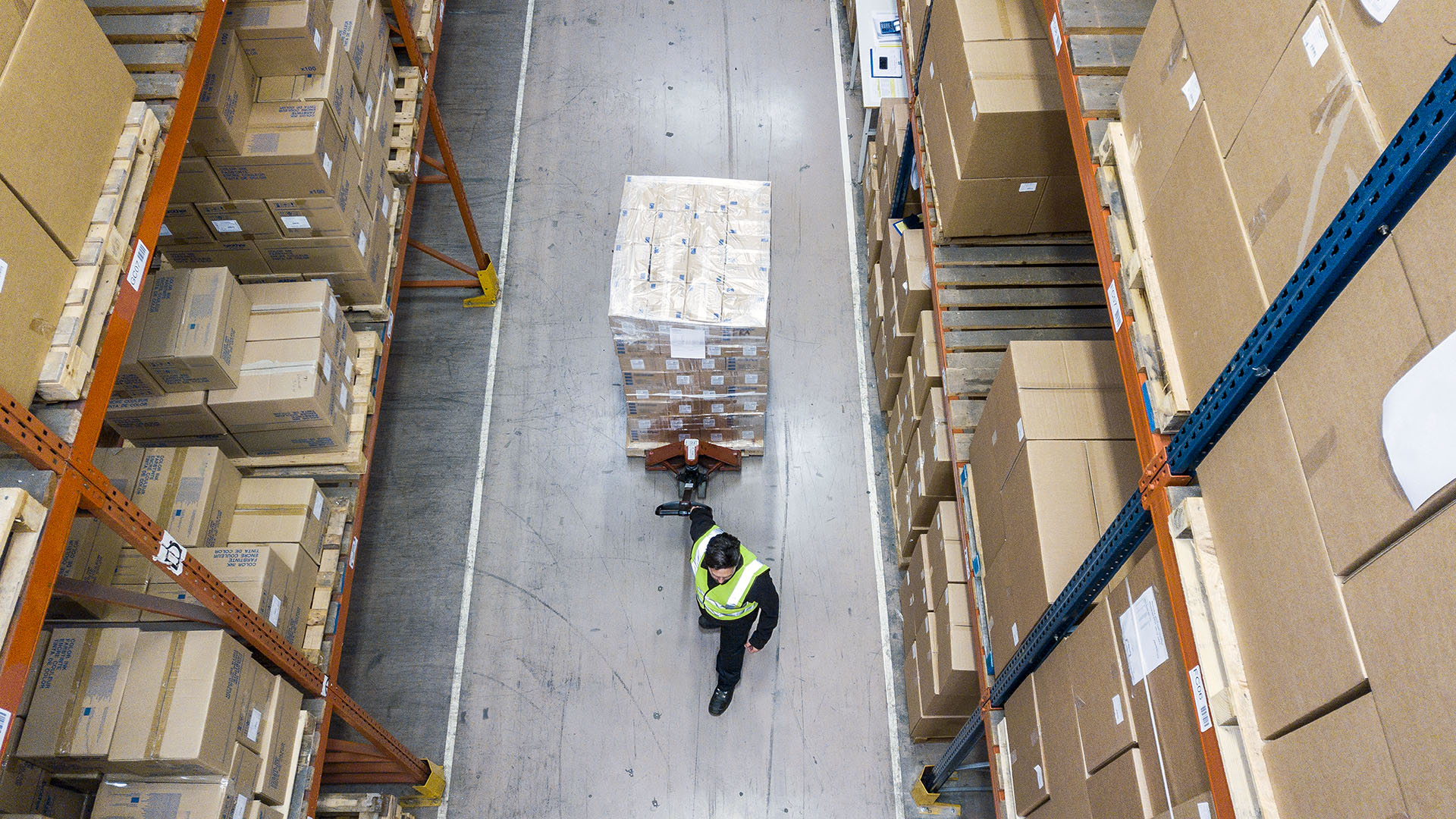
Overhead view of Brother warehouse logistics showing palletised cartons moved through distribution aisles for efficient order fulfilment.

Re-thinking packaging design

To move away from plastic while maintaining protection, Brother re-thought packaging design from the ground up, focusing on performance, efficiency, and recyclability.

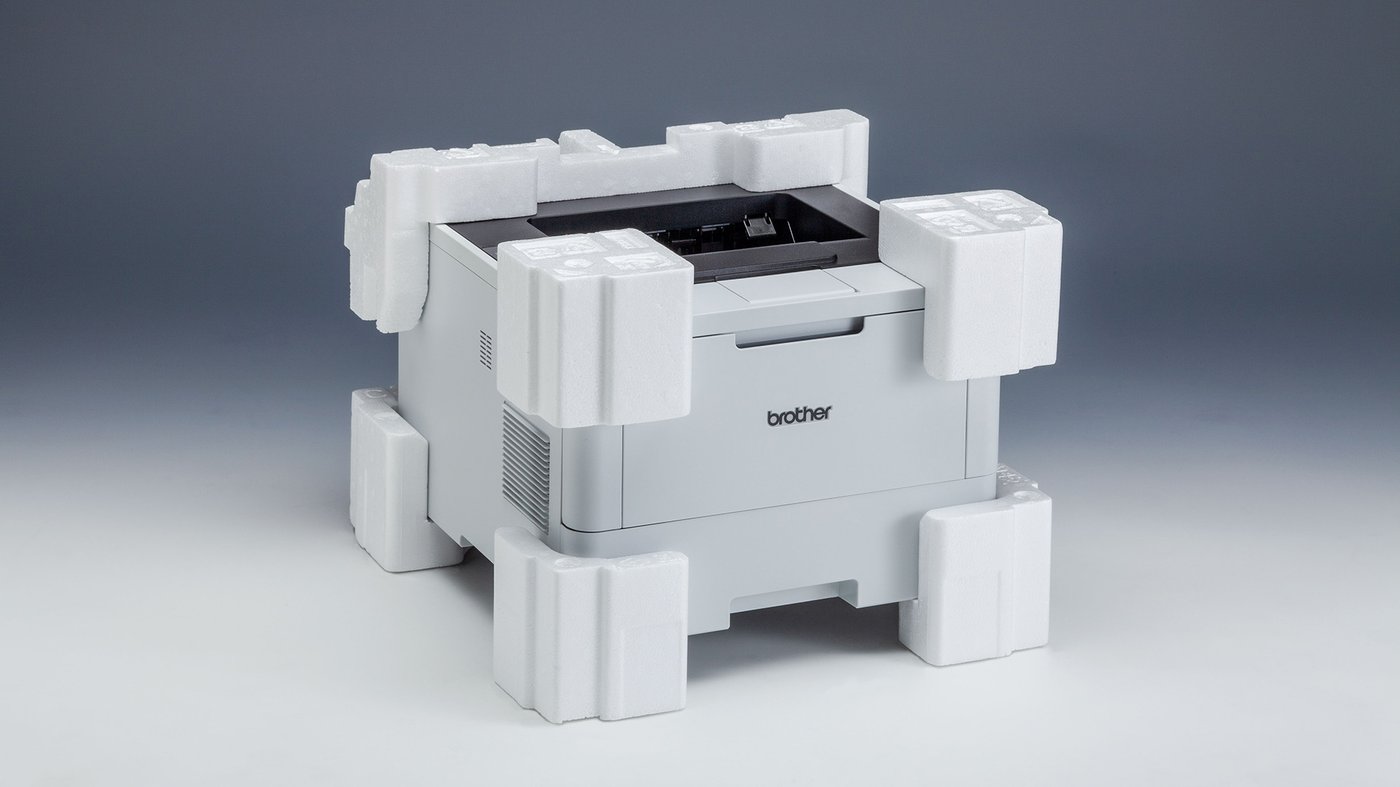
Brother printer with EPS packaging during packaging design challenge to replace polystyrene.

Challenge

EPS has traditionally been used for cushioning because it protects products well, but it is difficult to recycle and inconvenient to dispose of responsibly. When mismanaged, it can contribute to long-term plastic pollution.

At the same time, expectations around single-use plastic reduction are increasing globally. This prompted Brother to rethink how product protection could be achieved using materials that are easier to recycle and better aligned with sustainability goals.

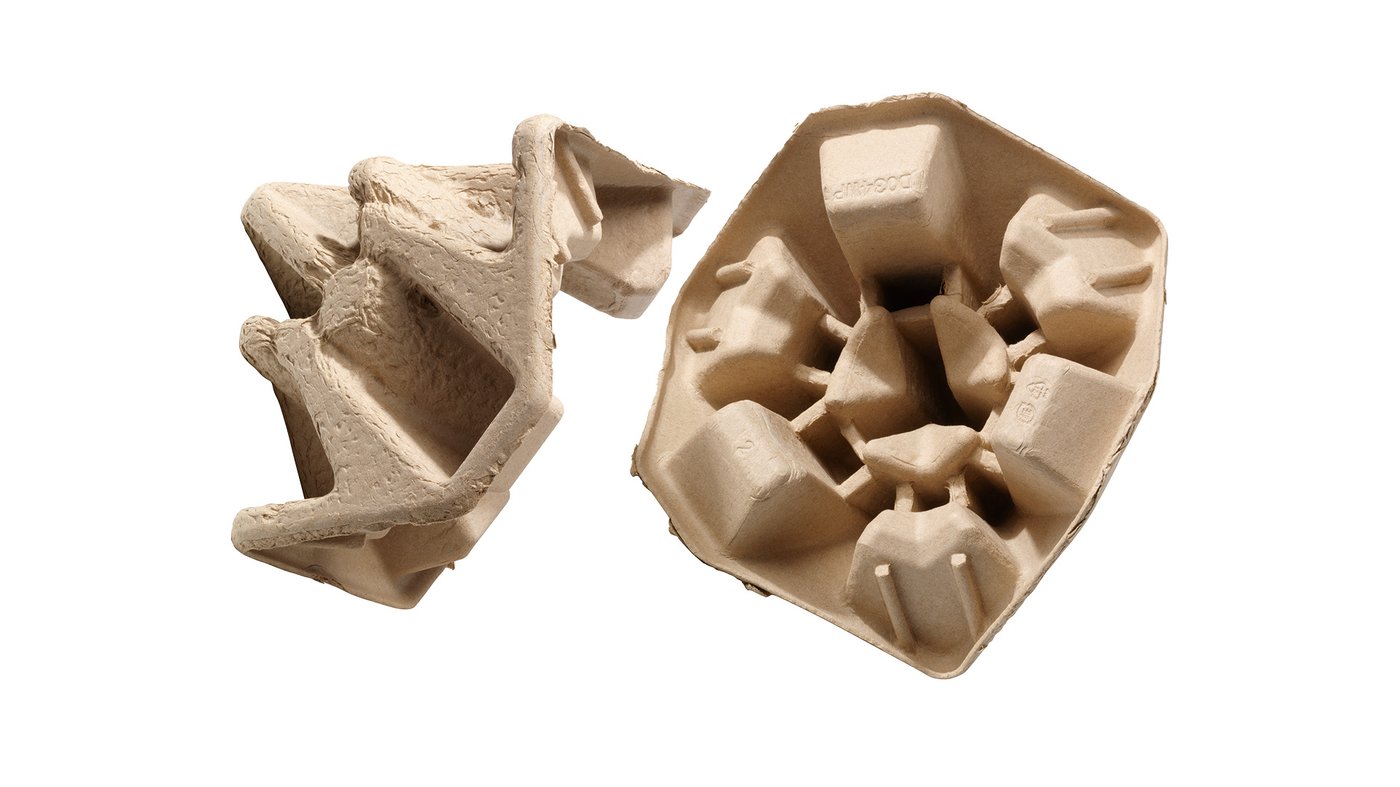
Prototype Brother EPS-free packaging made from recyclable moulded fibre for sustainable shipping.

Prototypes

Early paper-based cushioning designs were able to match the size and protective performance of EPS packaging. However, these initial solutions were not yet efficient enough to support large-scale production.

Cost, material use, and scalability quickly became key challenges that needed to be addressed before wider adoption was possible.

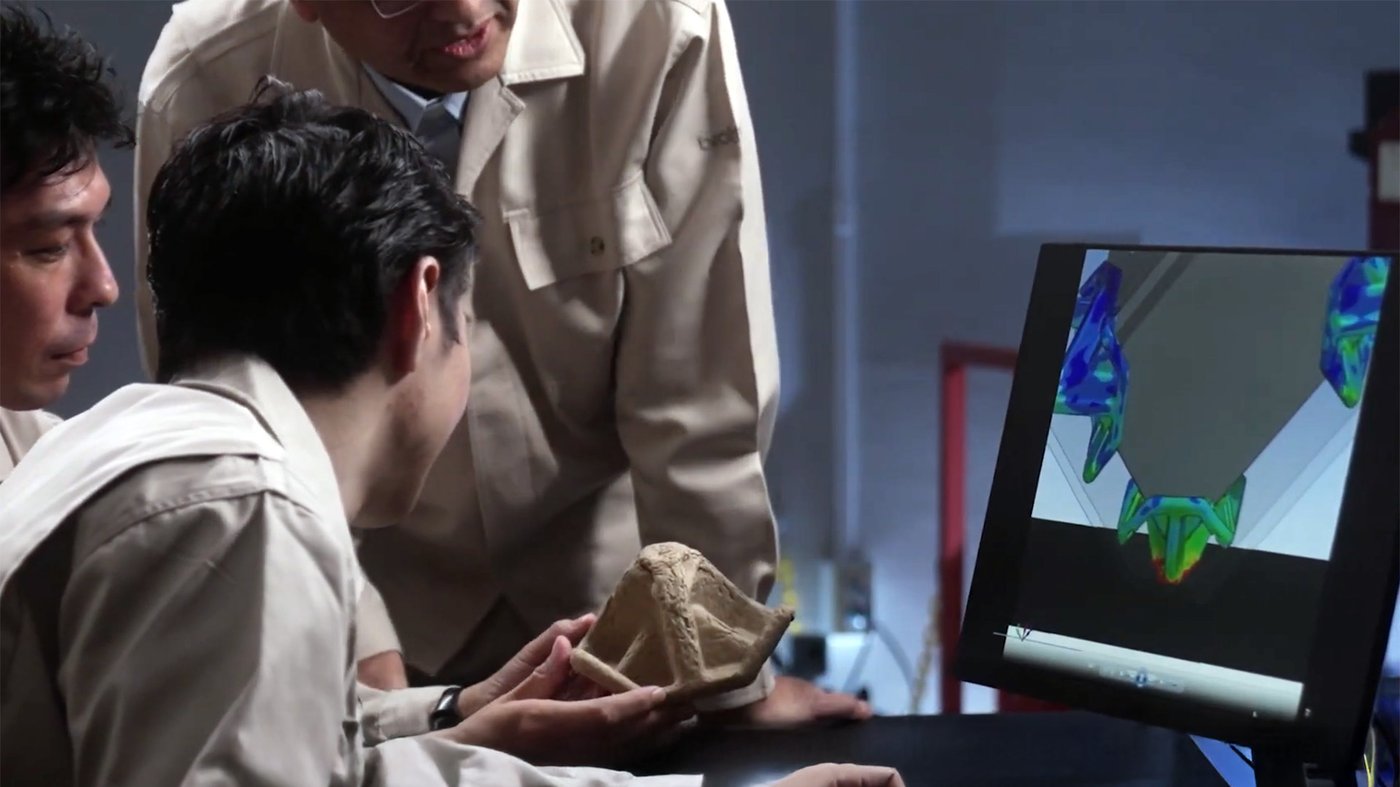
Brother engineers developing innovative EPS-free packaging with moulded fibre alternatives to polystyrene.

Innovation

Progress accelerated with the development of Brother’s advanced simulation technology, which evaluates how packaging responds to drops and impacts during transport.

By shifting more of the development process into digital simulation, Brother reduced reliance on repeated physical testing. This helped streamline development while lowering the emissions associated with producing and discarding multiple prototypes.

Brother packaging product development showing EPS-free moulded fibre components replacing EPE and EPS.

Product Development

Using insights from extensive simulation testing, Brother refined cushioning shapes to improve performance while using fewer materials.

This design-led approach resulted in moulded pulp cushioning that is strong, adaptable, and suitable for use across a wide range of products, while remaining practical to handle and recycle.

EPS-free moulded fibre packaging designed by Brother to minimise materials while protecting printers.

Minimising Resources

Optimised cushioning placement improved protection while significantly reducing material use. In some designs, cushioning weight was reduced by up to 33% compared to earlier paper-based prototypes.

More efficient cushioning designs also enabled box sizes to be reduced by up to 7% on selected products, helping lower overall material use and transport volume. Together, these improvements contribute to lower CO₂ emissions across production and transport.

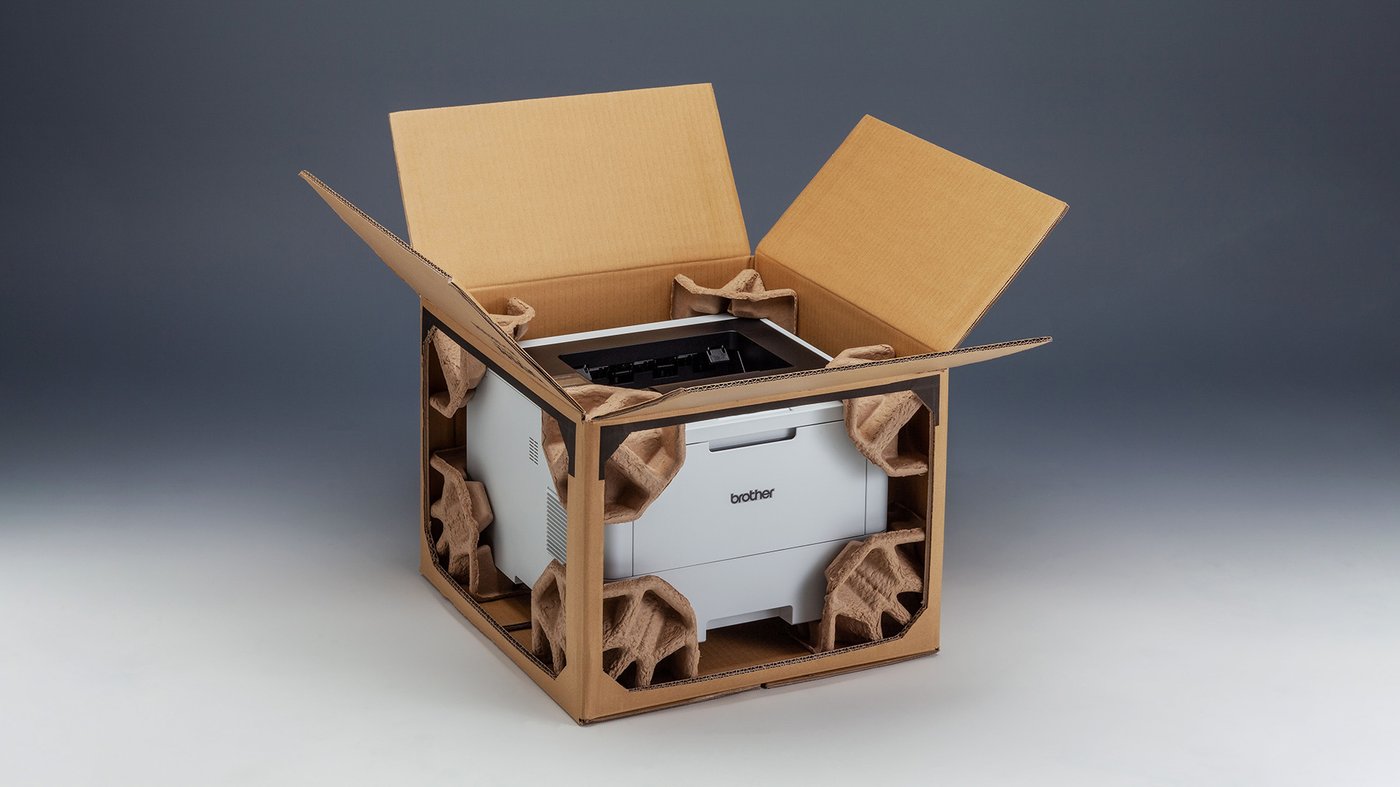
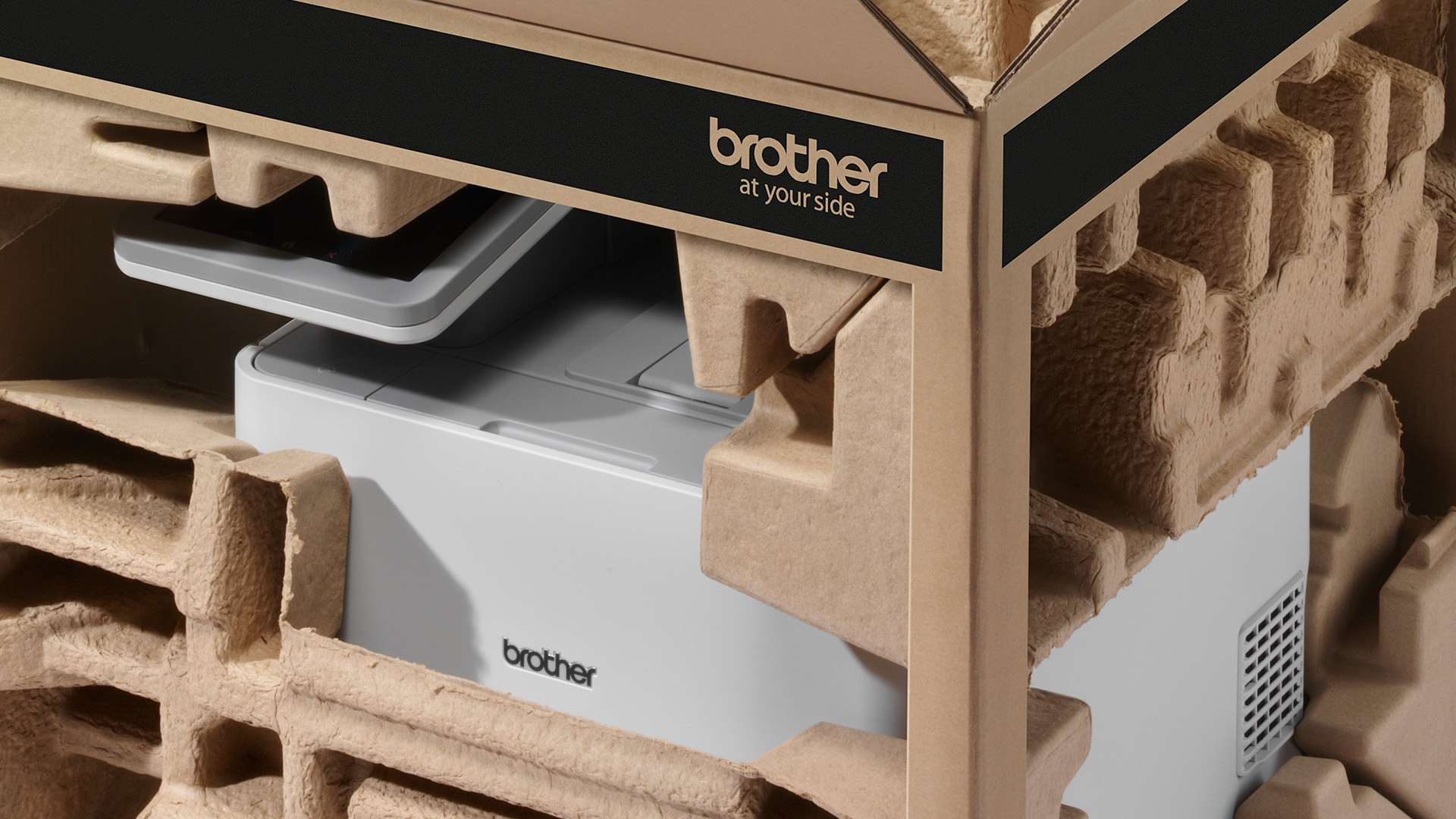
Finished Brother EPS-free packaging using moulded fibre inserts for secure and sustainable printer transport.

Finished Packaging

The result is a versatile moulded pulp packaging system that can be adapted to different product sizes and weights.

This approach supports broader adoption across Brother product ranges, enabling easier-to-recycle packaging solutions while maintaining the protection customers expect.

Watch the global packaging story

This video from Brother’s global team provides a closer look at the journey behind the packaging changes outlined on this page. It explores the challenge of reducing EPS, the development of alternative cushioning materials, and how innovation has enabled packaging to become lighter, more efficient, and easier to recycle.

If you’d like to see how these changes came together at a global level, watch the video to learn more about Brother’s approach to sustainable packaging.

Global Awards

Award-winning packaging innovation

Brother’s approach to packaging design has been recognised internationally for delivering compact, lightweight solutions that maintain product protection while reducing environmental impact. These awards reflect the innovation behind Brother’s move to more sustainable packaging materials.

International recognition for innovative, recyclable packaging design that reduces environmental impact without compromising performance.

Japan Packaging Institute award for compact, lightweight moulded pulp cushioning that maintains protection while reducing material use.

Recognised for implementing recyclable packaging solutions and phasing out EPS and EPE across Brother products.

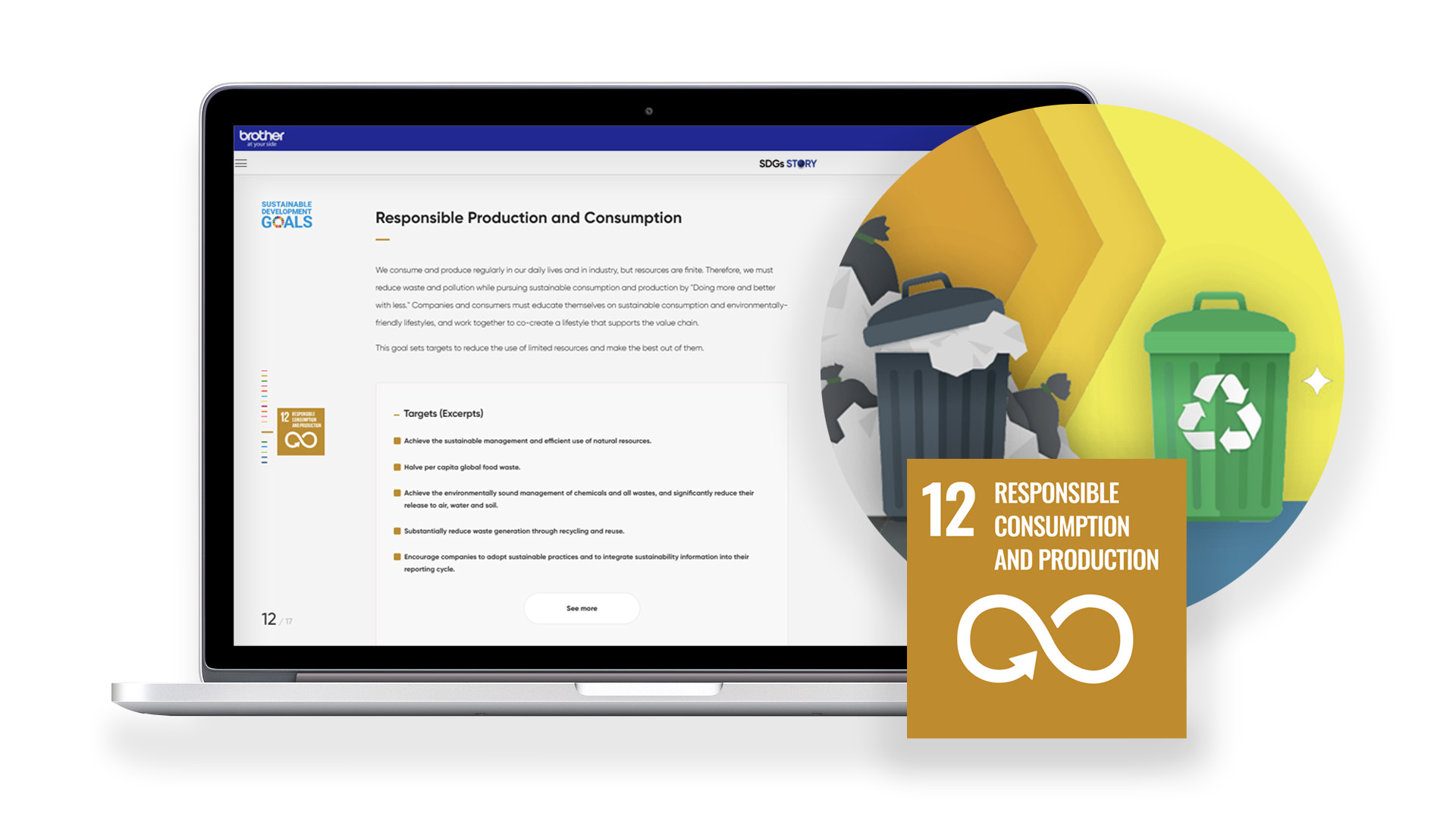
Brother sustainability webpage highlighting UN SDG 12 Responsible Consumption and Production and circular economy initiatives.

Supporting responsible consumption

Brother’s approach to packaging supports UN Sustainable Development Goal 12: Responsible Consumption and Production, which focuses on reducing waste and promoting more sustainable use of resources.

By improving packaging design and increasing the use of recyclable materials, Brother is working to reduce environmental impact while continuing to meet product protection standards.

Frequently Asked Questions (FAQs)

What is moulded pulp packaging?

Moulded pulp is a paper-based packaging material made from recycled fibres. The fibres are formed into protective shapes and dried to create rigid cushioning that helps secure products during transport. It is widely recyclable and designed for strength and durability.

How durable is moulded pulp?

Moulded pulp is engineered to absorb impact and protect products during shipping. It delivers cushioning performance comparable to traditional plastic foam materials, while using paper-based fibres instead of plastics.

What is Expanded Polystyrene (EPS)?

Expanded Polystyrene (EPS) is a lightweight plastic foam commonly used for protective packaging. While it offers good cushioning, it cannot be recycled through standard household recycling systems and must be disposed of as general waste.

What is Expanded Polyethylene (EPE)?

Expanded polyethylene (EPE) is a lightweight plastic foam commonly used in packaging for cushioning and protection. While it offers good cushioning, it cannot be recycled through standard household recycling systems and must be disposed of as general waste.

Is all Brother packaging EPS-free?

Brother is phasing out expanded polystyrene (EPS) and expanded polyethylene (EPE) across a growing range of product packaging as part of a global move to reduce hard-to-recycle plastics.

This transition applies to selected Brother products supplied to New Zealand, including printers, scanners, label printers, consumables such as printer cartridges, and sewing and craft machines. Look for the EPS/EPE-Free badge on eligible new products.

Which Brother products use EPS/EPE-free packaging?

EPS/EPE-free packaging is being introduced across a growing range of Brother products supplied to New Zealand, including printers, scanners, label printers, consumables such as printer cartridges, and sewing and craft machines. Availability varies by product and model.

How should I dispose of Brother packaging?

Cardboard and moulded pulp packaging can generally be recycled through standard paper and cardboard recycling. It's recommended to follow local council recycling guidelines.

Is Brother’s packaging easy to recycle?

Cardboard and moulded pulp packaging can generally be recycled through standard paper and cardboard recycling. Recycling options may vary depending on local council guidelines.

Does sustainable packaging affect product quality or warranty?

No. Packaging changes do not affect product quality, performance, or warranty. Brother packaging is designed and tested to ensure products are protected throughout transport and handling.

Will packaging look different from previous Brother products?

Packaging may look and feel different as materials and designs are updated. These changes reflect Brother’s move toward more sustainable packaging while maintaining protection.

Sustainable Products and Supply Chain

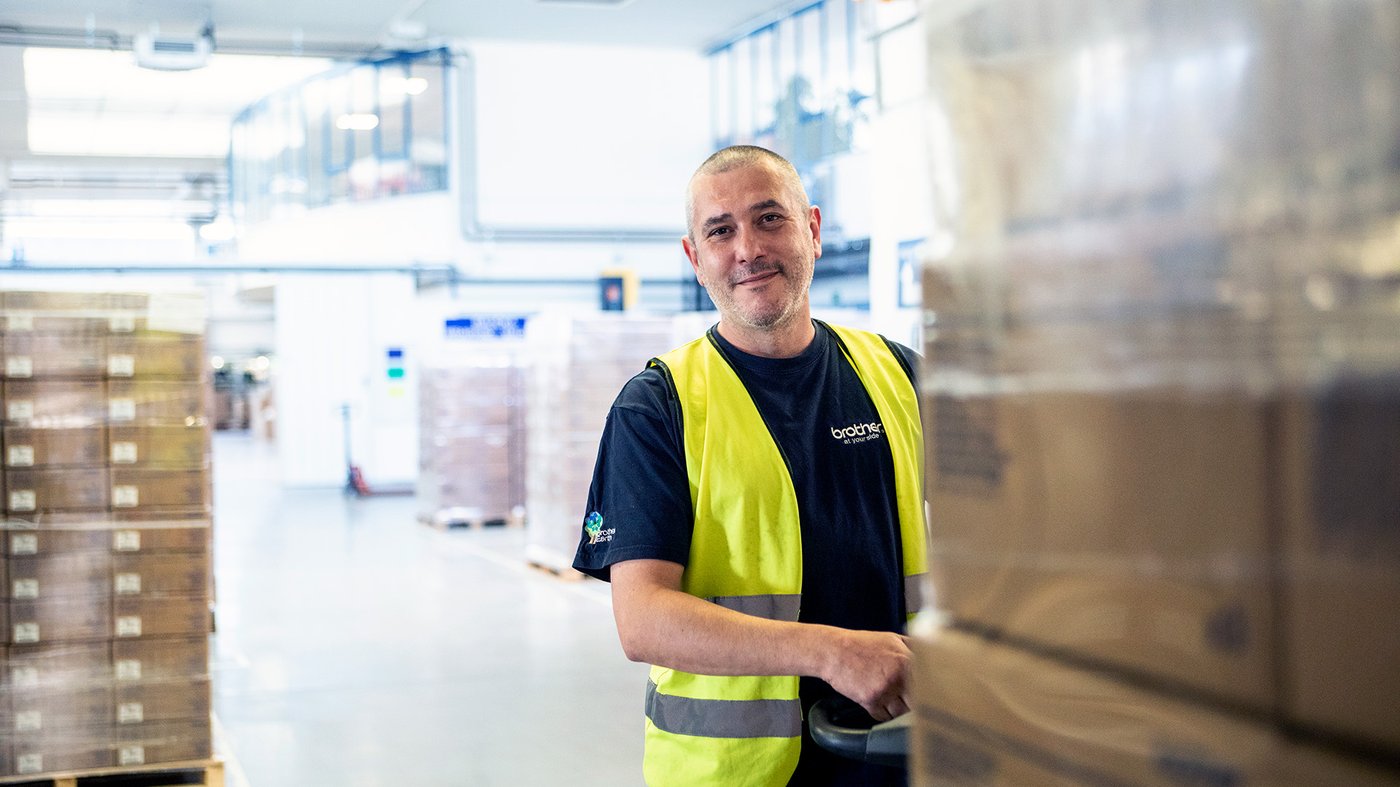
Warehouse worker wearing a high visibility vest moving packaged goods in a Brother supply chain facility.

Responsible Sourcing

Our supply chain follows the Brother Global Procurement Policy and CSR Procurement Standards. We work closely with partners to ensure ethical labour practices, respect for human rights and environmental responsibility across every stage of production.
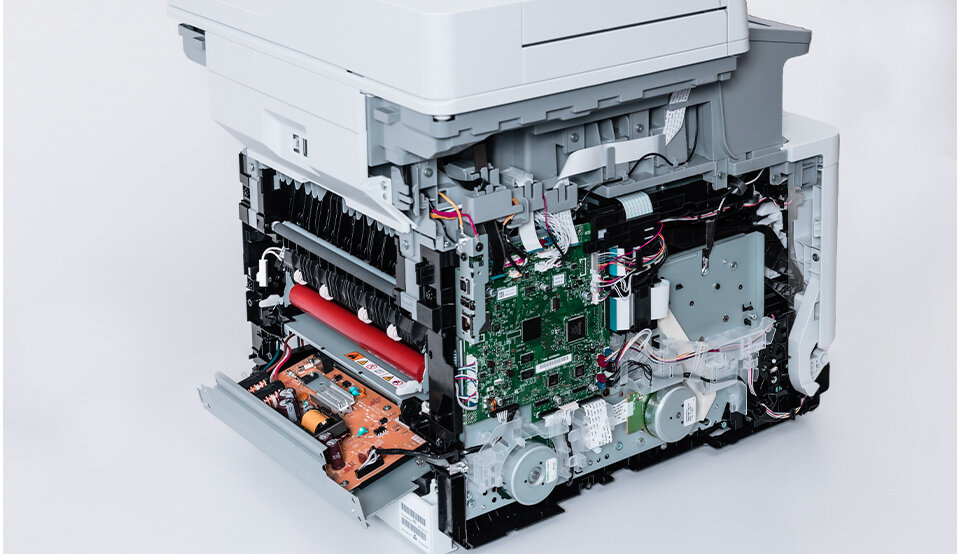
Internal view of a Brother laser printer showing energy-efficient components and power-saving technology.

Creating Eco-Conscious Products

Brother designs and develops products with sustainability in mind, reducing environmental impact from production to end of life. Each stage focuses on conserving resources, improving energy efficiency, and supporting long-term product recyclability.
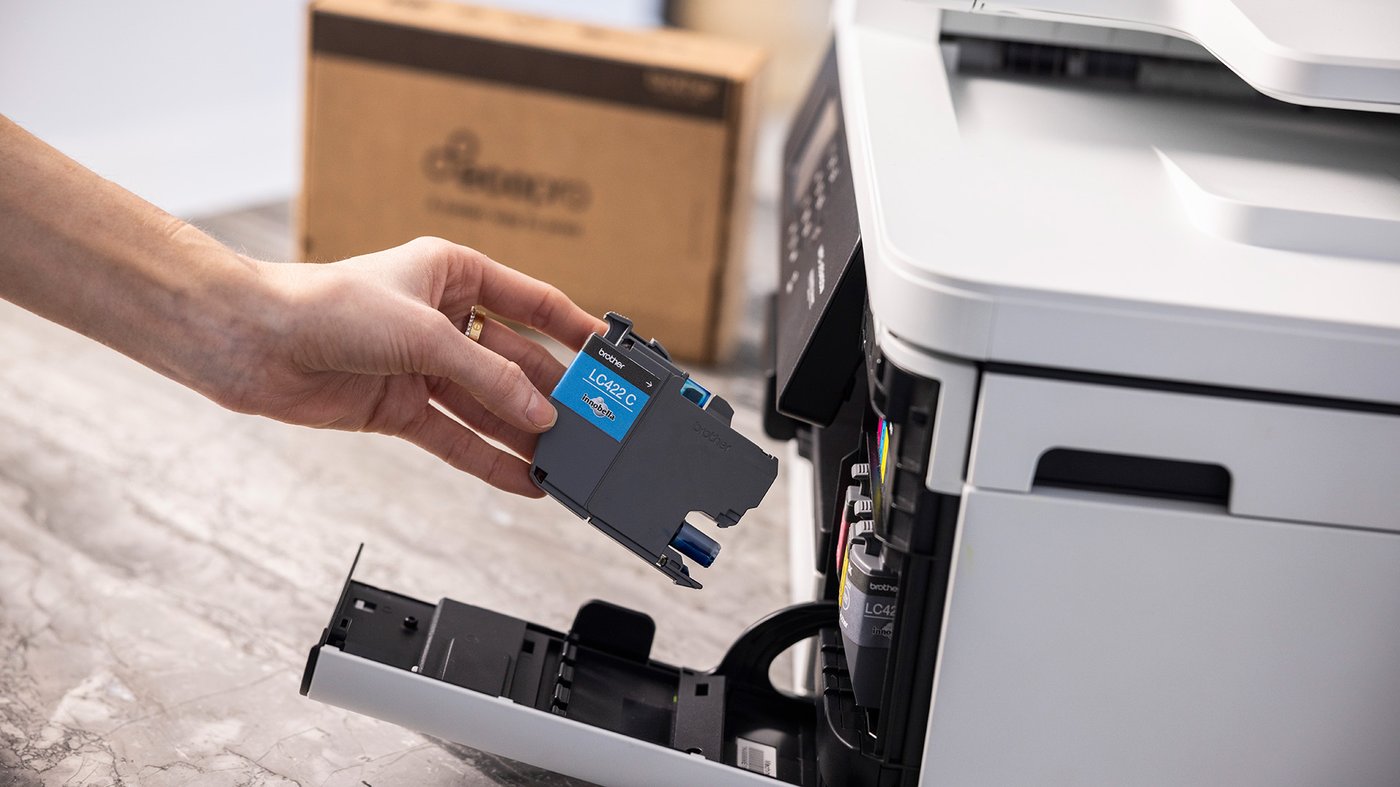
Hand removing an empty Brother ink cartridge from a printer as part of cartridge recycling.

Recycling for a better tomorrow

Brother New Zealand works with certified e-waste recyclers to responsibly recover and recycle Brother products and consumables. Our long-running recycling programme helps keep valuable materials in use and supports a more circular approach to sustainability.